- Company News
- 191
Screw Press Comparison Guide: Matching Dewatering Options to Sludge Type and Acceptance Criteria
A side-by-side comparison guide for screw press sludge dewatering options: match configurations to sludge type, footprint, operating behaviour and acceptance criteria.
Screw Press Comparison Guide: Matching Dewatering Options to Sludge Type and Acceptance Criteria
A screw press sludge dewatering machine is ranked correctly only when the comparison starts with the feed sludge profile and ends with written acceptance criteria. Flow rate and dry-solids figures printed in a catalogue cannot order a shortlist on their own, because the same machine behaves differently on municipal sludge, DAF sludge, printing and dyeing sludge, and palm oil mill sludge.
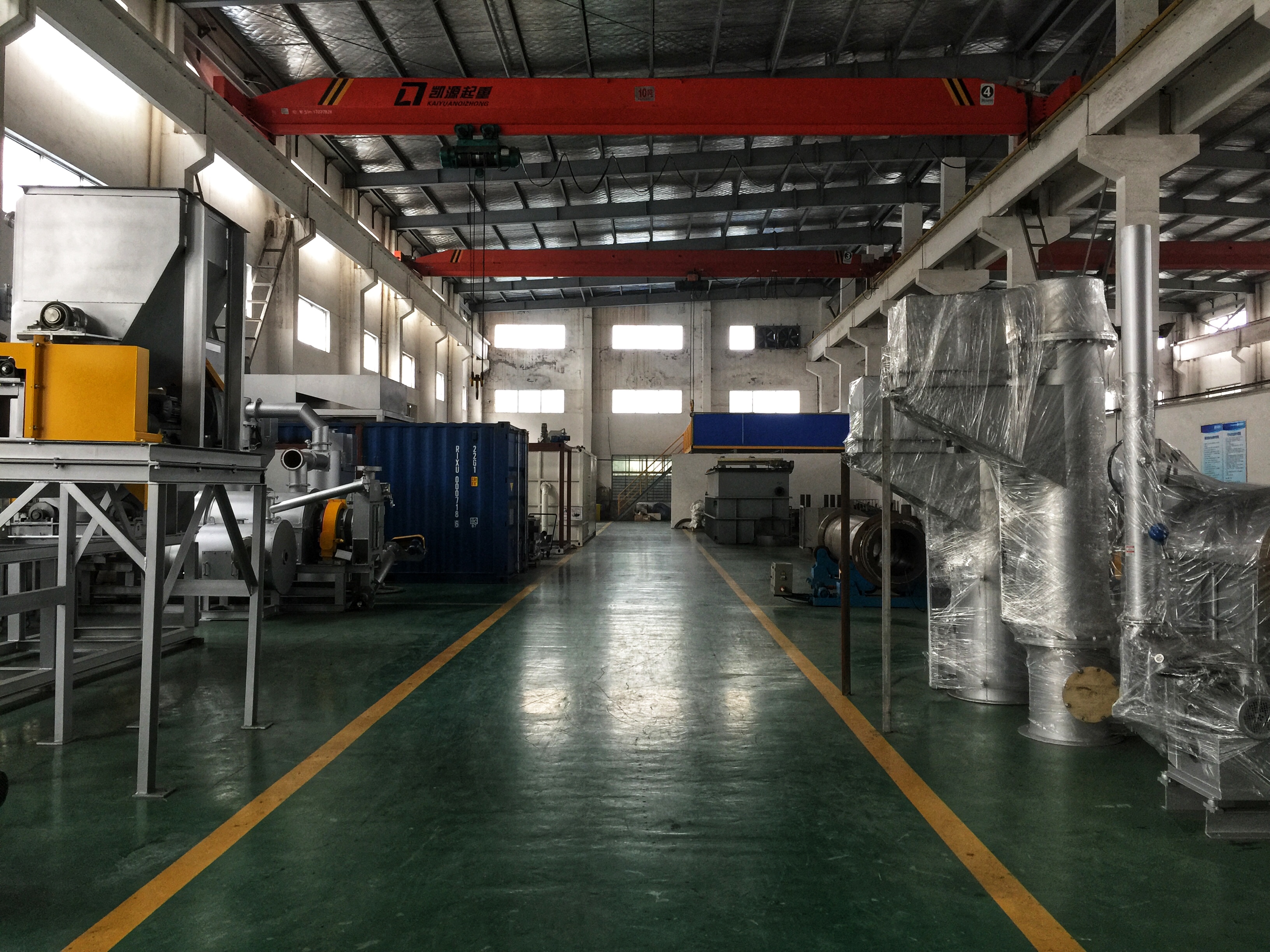
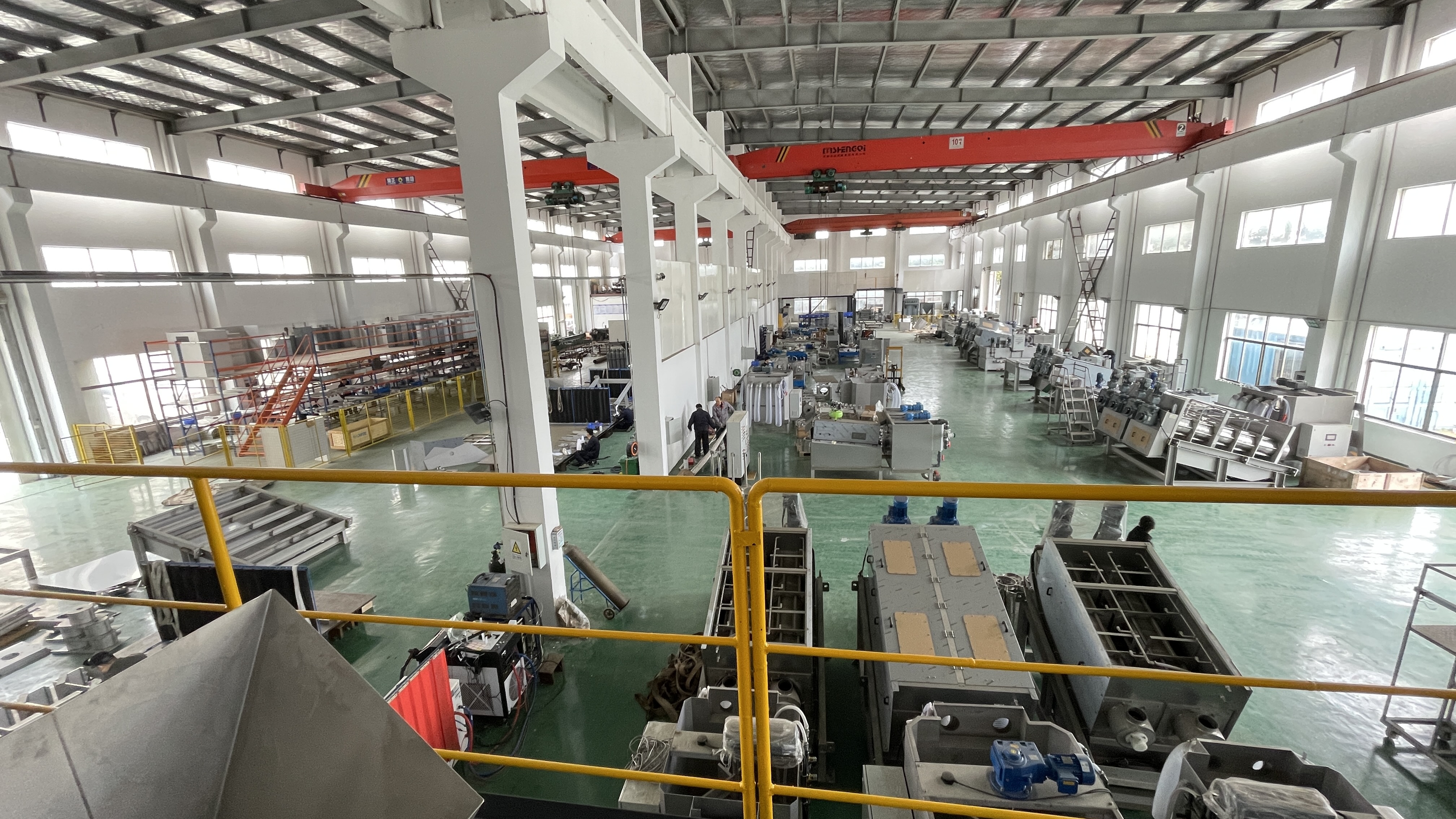
This guide gives plant engineers, EPC contractors, and procurement teams a working comparison structure: a matrix of sludge characteristics, footprint and layout requirements, operating and maintenance behaviour, and life-of-project performance, followed by the purchasing terms and acceptance criteria that should be settled before signature. JIANGSU BENENV ENVIRONMENTAL TECHNOLOGIES CO., LTD (Benenv) is a sludge and wastewater treatment equipment manufacturer founded in 2011 in Yixing, China, operating a 20,000 m2 factory with approximately 200 employees and an annual output of 500 units, and its MDS multi-disk screw press series is used throughout this article as the reference product set for comparison.
Problem Definition: Why Catalogue Numbers Cannot Rank Dewatering Options
Four data conditions break a straight side-by-side comparison of screw press sludge dewatering equipment, and all four appear in evaluation-stage shortlists.
- Hydraulic capacity is reported without the inlet concentration. Benenv product information lists the MDS101 at 1.5 m3/h at an inlet concentration of 2,000 mg/L and 0.12 m3/h at 50,000 mg/L. The same model spans more than a tenfold range across that concentration window, so the number alone says nothing.
- Dry-solids capacity lacks a shared test method. Manufacturer-published kg/h DS figures from different suppliers cannot form a valid benchmark until sludge type, inlet solids concentration, polymer dose, target cake dryness, model, test protocol, and continuous operating basis are aligned.
- Footprint, layout, and utilities are compared informally. Weight, backwash water demand, and installed power move a candidate between building layouts long before performance is discussed.
- Acceptance criteria are negotiated after the order. Performance guarantees written as general statements give the buyer no lever if commissioning misses the target.
The practical consequence is that the option ranked first on paper can rank third on site. A comparison structure that treats feed sludge, site constraints, operating reality, and contractual acceptance as one evaluation set produces a defensible order instead.
Industry Background: What the 2026 Evaluation Window Looks Like
The screw press segment is expanding faster than the wider dewatering equipment category, which is why shortlists are getting longer and why structured comparison matters.
- The global sludge dewatering equipment market was valued at USD 5.19 billion in 2024 (Fortune Business Insights).
- The screw press segment is projected to grow at the highest CAGR of 9.4% during the 2025-2032 forecast period.
- Asia Pacific held a revenue share of 37.57% of the global market in 2024.
- The average selling price of a sludge screw dewatering press in 2025 was USD 46,000 per unit, against global sales of 43,000 units.
That average selling price is an aggregated market figure and not a quotation for any specific project. It is useful as a budgeting anchor and as a signal: quotations that sit far below or far above the benchmark usually differ in scope of supply rather than in machine quality. Comparing what is inside each quotation is therefore part of comparing the equipment itself.
Detailed Solution: Understanding the Reference Product Set Before Comparing
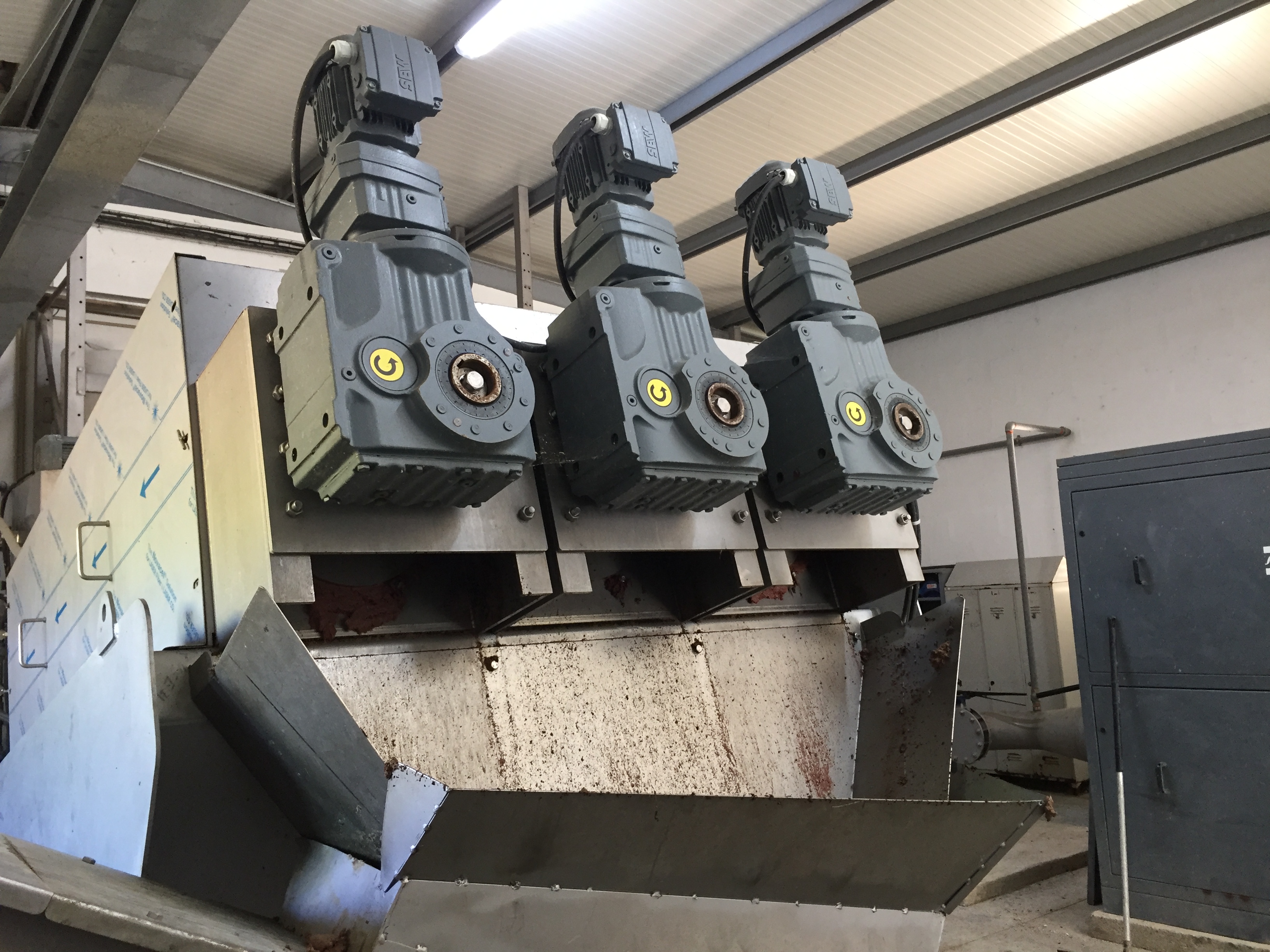
Benenv describes its MDS product as a multi-disk screw press used for sludge dewatering and solid-liquid separation. The series covers 16 models with manufacturer-reported ranges of 0.12-200 m3/h hydraulic throughput and 3-680 kg/h dry solids, built in SS304 or SS316L and applied across municipal, industrial, and food processing wastewater treatment, including chemical, textile, paper, pharmaceutical, and agricultural industries.
The scope that matters for comparison is the system, not only the press. Benenv describes a sludge dewatering installation as including a sludge feed pump, a PAM dosing system, a PLC control cabinet, and a cake conveying system. Two quotations for the same press model can therefore differ substantially if one includes feed pumping, polymer preparation, and cake handling and the other does not.
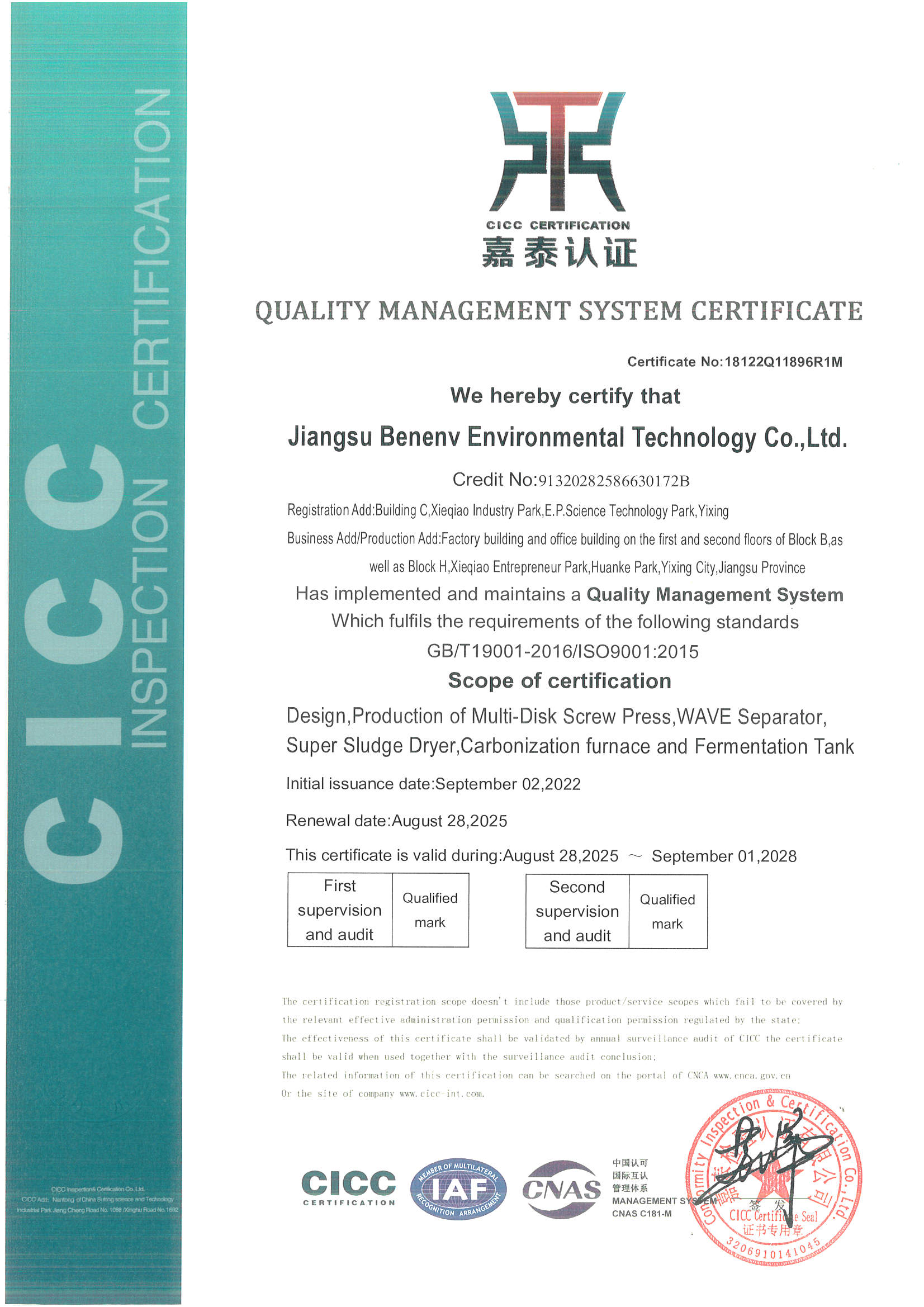
Two certification records are attached to the MDS range and are relevant to the acceptance section below. The CE certificate M.2024.206.C97307 was issued by UDEM International Certification Auditing Training Centre Industry and Trade Inc. Co. for the Multi-Disk Screw Press against EN 60204-1:2018, valid from 2024-03-06 to 2029-03-05. The ISO 9001 certificate 18122Q11896R1M was issued by CICC Certification against GB/T 19001-2016 / ISO 9001:2015, valid from 2025-08-28 to 2028-09-01, with a scope covering design and production of the Multi-Disk Screw Press, WAVE Separator, Super Sludge Dryer, Carbonization Furnace, and Fermentation Tank.
For a benchmark against a second supplier type, HUBER publishes the Q-PRESS screw press series with four sizes, feed capacity up to 540 kg DR/h, a compact enclosed design, low energy demand, and optional mobile units. That figure and Benenv MDS dry-solids figures are not directly comparable until the normalization set in the FAQ section below is applied, but publishing both against a common basis is exactly the exercise a shortlist requires.
Step-by-Step Breakdown: Ordering a Shortlist Objectively
Step 1 - Fix the sludge baseline before opening any quotation
Record sludge type, inlet total solids, solids variability across the week, polymer type and expected dose, target cake dryness, operating hours per day, and the acceptable filtrate quality. Without these six items, every capacity figure received is unanchored, and the comparison degenerates into supplier assertion versus supplier assertion.
Step 2 - Screen models on dry solids, not on hydraulic flow
Dry-solids throughput is the sizing variable that survives changes in inlet concentration. Hydraulic capacity is the variable that moves hardest when the feed thickens or thins. A model that appears oversized on flow can be correctly sized on dry solids, and vice versa. Screen the candidate list on the DS band first, then use hydraulic range as a secondary check against the actual feed volume.
Step 3 - Check footprint, layout, and utilities against the actual room
Machine weight and backwash water demand decide whether a candidate is installable before performance is discussed. Within the MDS range, weight runs from 205 kg on the MDS101 and MDS131 to 6,550 kg on the MDS404, and backwash water demand runs from 24 L/h to 320 L/h. A retrofit into an existing building frequently eliminates a technically strong option on access, floor loading, or wash-water supply alone.
Step 4 - Compare operating and maintenance behaviour over the project life
Installed power across the series runs from 0.2 kW on the MDS101 and MDS131 to 8.2 kW on the MDS354 and MDS404, which sets the electricity line in the operating budget. Beyond power, compare who performs the routine work, what spares are consumed, and how the machine responds to feed interruptions. Reference-site highlights reported by Benenv across its installed base include self-cleaning mechanism, low noise and vibration, simple maintenance, continuous operation, low energy consumption, water-saving operation, and compact design, each attached to a specific site rather than to the series as a whole.
Step 5 - Interrogate how each supplier proves performance
Ask each candidate to state the test protocol behind the DS figure: sludge source, inlet concentration, polymer dose, cake dryness achieved, machine model, and continuous operating basis. Suppliers who can answer precisely move up the ranking regardless of the size of the number they originally quoted. Suppliers who cannot should be treated as unverified on capability rather than as verified.
Step 6 - Lock purchasing terms and acceptance criteria before signature
The final ranking is decided by contract language, not by the technical proposal. The acceptance section below sets out what to fix in writing.
Comparison Matrix: MDS Configurations Side by Side
The matrix below uses manufacturer-reported figures for representative MDS models and is intended as a comparison scaffold. It orders options on physical and utility characteristics, which are stable and comparable, rather than on dewatering outcome, which requires a sludge-specific test basis.
| Model | Capacity (m3/h) | DS (kg/h) | Power (kW) | Weight (kg) | Wash water (L/h) |
|---|---|---|---|---|---|
| MDS101 | 0.12-1.5 | 3-6 | 0.2 | 205 | 24 |
| MDS131 | 0.24-3 | 6-12 | 0.2 | 205 | 24 |
| MDS132 | 0.48-3 | 12-24 | 0.3 | 275 | 48 |
| MDS201 | 0.4-6 | 12-20 | 0.3 | 320 | 32 |
| MDS202 | 0.8-12 | 24-40 | 0.6 | 470 | 64 |
| MDS301 | 1.2-15 | 30-60 | 0.8 | 910 | 40 |
| MDS302 | 2.4-30 | 60-120 | 1.2 | 1,350 | 80 |
| MDS351 | 2.4-30 | 60-120 | 1.9 | 1,610 | 72 |
| MDS352 | 4.8-30 | 120-240 | 3.75 | 2,300 | 144 |
| MDS353 | 7.2-90 | 180-360 | 6 | 3,350 | 216 |
| MDS354 | 9.6-120 | 240-480 | 8.2 | 4,500 | 288 |
| MDS401 | 3.4-50 | 100-170 | 2.25 | 2,500 | 80 |
| MDS402 | 6.8-100 | 200-340 | 4.5 | 3,480 | 160 |
| MDS403 | 10.2-150 | 300-510 | 6.7 | 4,550 | 240 |
| MDS404 | 13.6-200 | 400-680 | 8.2 | 6,550 | 320 |
All values are manufacturer-reported for standard configurations. Power, weight, and wash-water figures are directly comparable across models; capacity and DS figures are only comparable once the sludge basis is documented.
Use Cases: Matching the Matrix to Sludge Type
Installed references across the Benenv base show how the same series is configured differently by sludge stream. The pattern is the useful part of the comparison: similar DS bands are reached on different sludge types with different model selections and different operational emphases.
| Sludge / application | Market | Model | Operating period | Reported highlight |
|---|---|---|---|---|
| Municipal sludge | France | MDS353 | 1 year | Low energy consumption |
| Sewage treatment plant sludge | Thailand | MDS352 | 3 years | Self-cleaning mechanism |
| DAF sludge dewatering and volume reduction | United States | 3 x MDS353 | 2 years | Self-cleaning mechanism |
| DAF sludge dewatering and volume minimization | Canada | MDS302 | 3 years | Low energy consumption |
| DAF sludge, meat processing | Portugal | MDS303 | 2 years | Water-saving operation |
| Printing and dyeing sludge | Vietnam | MDS202 | 2 years | Self-cleaning mechanism |
| Chemical sludge | India | MDS302 | 3 years | Continuous operation |
| Textile factory chemical sludge | Iran | MDS132 | 2 years | Low energy consumption |
| Palm oil mill sludge | Indonesia | MDS403 (2 units) | 2 years | Simple maintenance |
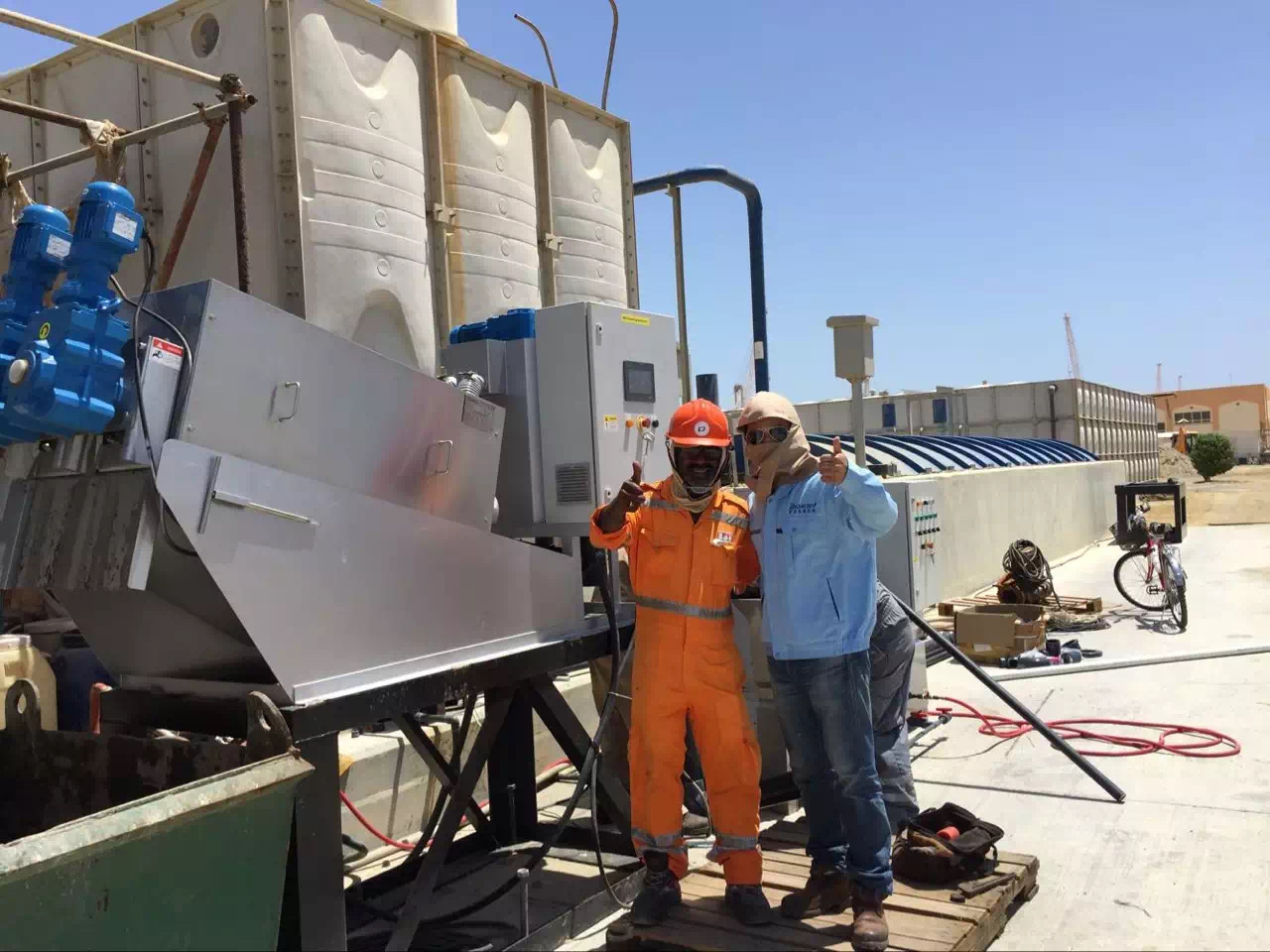
| Industrial park sludge | United Arab Emirates | 3 x MDS302 | 2 years | Low noise and vibration |
| Industrial sludge | Oman | MDS202 | 1 year | Low energy consumption |
| Sludge volume reduction, food industry | New Zealand | MDS301 | 1 year | Compact design |
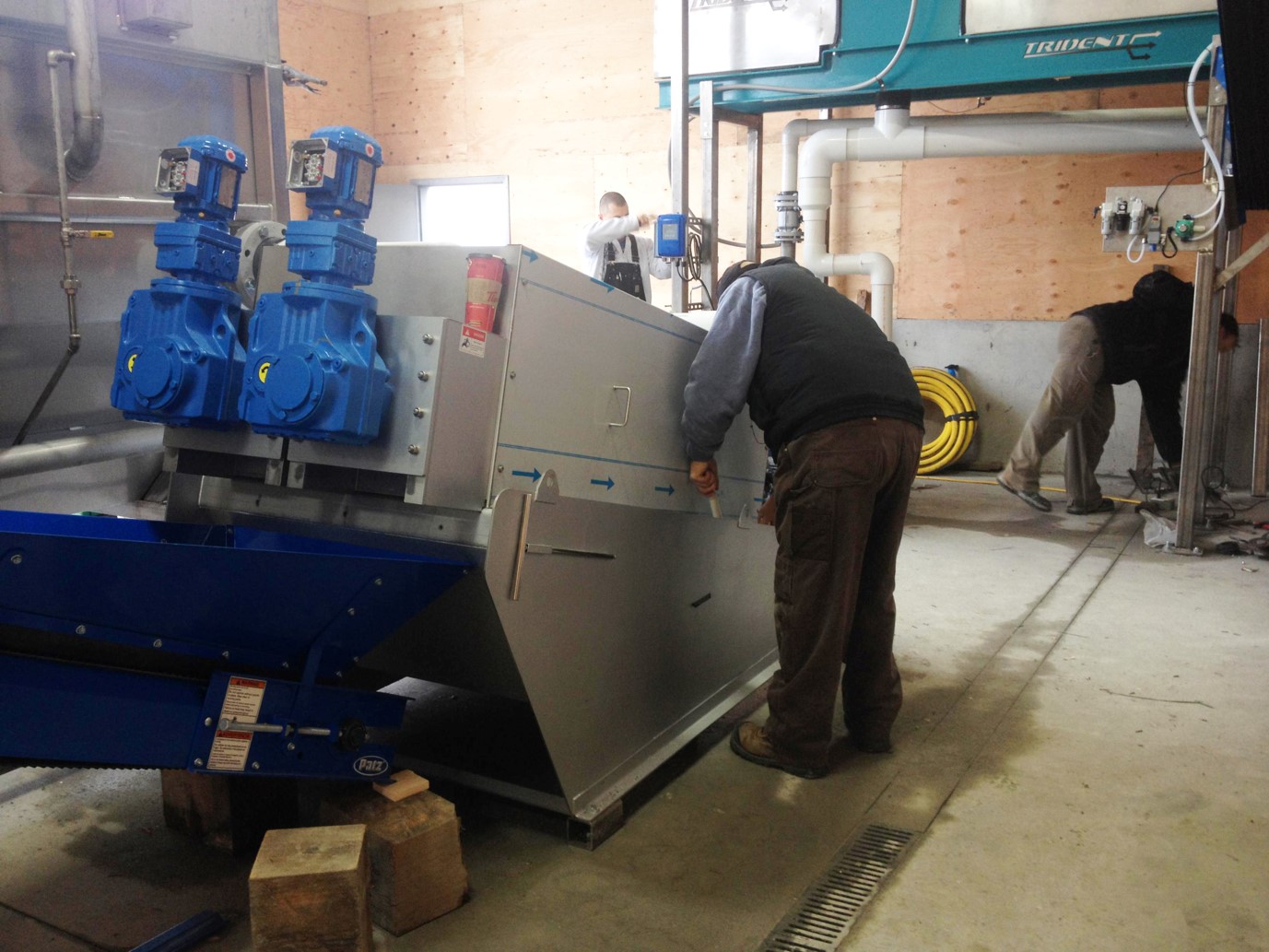
Two patterns stand out. First, municipal and DAF duties cluster in the 180-360 kg/h DS band on the MDS353 and the 60-120 kg/h band on the MDS302, even though the two sludge types behave quite differently. Second, high-fatigue industrial streams such as palm oil mill sludge are frequently handled with a larger model run at partial load rather than a smaller model run at maximum, which shifts the maintenance comparison entirely. Neither pattern is visible in a catalogue comparison.
Purchasing Terms and Acceptance Criteria: What to Settle Before Signing
Acceptance criteria convert a comparison into an enforceable outcome. The table below sets out the terms that most often determine whether a project closes cleanly, and what the buyer should physically confirm in the supplier's documentation.
| Term | What to write into the contract | What to confirm in writing |
|---|---|---|
| Design basis | Sludge type, inlet total solids range, operating hours, polymer type | The basis is stated on the quotation, not only in a brochure |
| Performance guarantee | Cake dryness, solids capture, throughput at the stated basis | Figures are numeric and tied to the design basis |
| Utilities | Installed power and backwash water allowance per selected model | Values match the model actually ordered |
| Material scope | SS304 or SS316L for wetted parts | Material designation appears in the technical annex |
| System boundary | Feed pump, PAM dosing, PLC control cabinet, cake conveyor | Each item is marked included or excluded |
| Inspection and testing | 100% pre-shipment test and third-party inspection such as SGS | Inspection scope and report format are named |
| Compliance documents | CE certificate M.2024.206.C97307 and ISO 9001 certificate 18122Q11896R1M | Number, issuing body, standard version and validity are checked |
| Service and spares | Installation guidance, operator training, technical assistance, spare parts supply | Response route and spare list are defined |
| Commercials | MOQ, lead time, delivery terms | Lead time is stated in days from a defined trigger |
One further commercial note belongs in the comparison. Benenv offers OEM and ODM production with a monthly capacity of 100 units, a lead time of 30-45 days, and a minimum order quantity of 1 unit. Because customization can cover housing colour and logo printing alongside configuration changes, the acceptance annex should state exactly which items were customized, so that the delivered unit can be checked against the order rather than against a generic catalogue description.
Frequently Asked Questions
Which certifications apply to the MDS series, and what should a buyer verify?
Two records apply. CE certificate M.2024.206.C97307 was issued by UDEM International Certification Auditing Training Centre Industry and Trade Inc. Co. for the Multi-Disk Screw Press against EN 60204-1:2018, valid from 2024-03-06 to 2029-03-05, for the EU market. ISO 9001 certificate 18122Q11896R1M was issued by CICC Certification against GB/T 19001-2016 / ISO 9001:2015, valid from 2025-08-28 to 2028-09-01, covering design and production of the Multi-Disk Screw Press, WAVE Separator, Super Sludge Dryer, Carbonization Furnace and Fermentation Tank. Buyers should check the certificate number, issuing body, standard version, stated scope, and expiry date, and confirm that the scope covers the model actually ordered.
How should dry-solids capacity from two suppliers be compared?
Not directly. A valid comparison requires the same sludge type, inlet solids concentration, polymer dose, target cake dryness, model, test protocol, and continuous operating basis on both sides. HUBER publishes up to 540 kg DR/h for the Q-PRESS series, while Benenv publishes a 3-680 kg/h dry-solids range across the MDS models; those figures describe different model scopes under different, undocumented test conditions. Ask each supplier for the test basis behind the figure, then compare only once both sets of conditions have been aligned.
What budget anchor makes sense at the evaluation stage?
The global average selling price for a sludge screw dewatering press was USD 46,000 per unit in 2025, against 43,000 units sold worldwide. This is an aggregated market figure, not a quotation. Real quotations diverge from it mainly because of scope: a package that includes the feed pump, PAM dosing system, PLC control cabinet and cake conveying system is a different commercial object from a bare press, so each quotation should be normalized to the same system boundary before price is compared.
Can a sludge sample be validated before the order is placed?
Yes, and it should be. The evaluation-stage request is a documented test against the buyer's own sludge, with the resulting cake dryness, throughput, and polymer consumption recorded. At the supply stage, Benenv applies 100% pre-shipment testing and accepts third-party inspection such as SGS. The acceptance annex should convert those test results into a numeric performance guarantee rather than a general statement of stable operation, so that commissioning is measured against the same numbers used to rank the shortlist.
What lead time and order quantity should be planned for?
Benenv quotes a lead time of 30-45 days, a minimum order quantity of 1 unit, and a monthly capacity of 100 units. For project scheduling, the lead time should be read together with the inspection step, since third-party inspection adds a checkpoint between production and shipment. Buyers who need a project-specific configuration, model selection against a stated sludge basis, or a quotation built on a defined system boundary can contact the Benenv team at manager@benenv.com or through WhatsApp on +86 12138541513; the full product documentation is available in the downloadable catalogue.
Conclusion
Ranking screw press sludge dewatering options comes down to discipline rather than preference. Fix the sludge baseline, screen on dry solids, check weight and wash-water demand against the actual room, compare the operating reality model by model, and demand a test basis behind every published capacity figure. Then convert the winning proposal into written acceptance criteria before signature.
Applied to the MDS range, this approach produces a shortlist ordered by fit rather than by catalogue headline. Applied to a mixed shortlist, it produces something more valuable: a comparison that still holds when the sludge changes, the building constrains the layout, or the commissioning report is opened months after the order.
For buyers who want to move from comparison to a defined scope of supply, the Benenv product catalogue and technical documentation can be downloaded here: Benenv product catalogue (PDF). Additional product information is available at en.benenv.com.