- Company News
- 907
Evaluating Supplier Capabilities: What to Require from a Screw Press Manufacturer
A decision-stage framework for evaluating screw press sludge dewatering manufacturers, covering supply-chain transparency, service commitments, compliance evidence, and total cost.
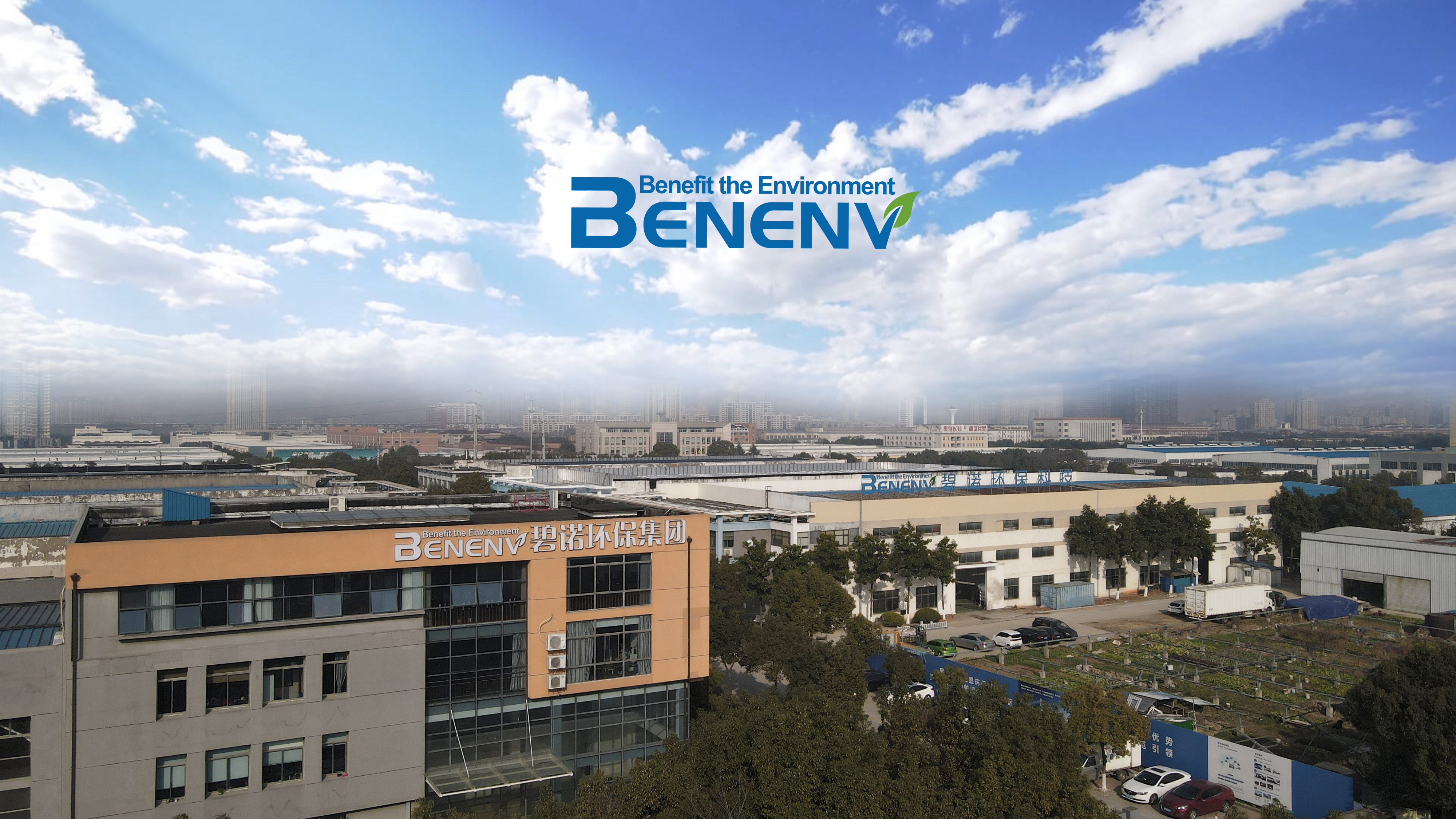
Supplier capability is not a single document; it is a set of verifiable commitments across supply chain, production, compliance, and service.
Decision-Stage Supplier Verification GuideEvaluating Supplier Capabilities: What to Require from a Screw Press Manufacturer
A screw press sludge dewatering machine is only as reliable as the manufacturer behind it. At the decision stage, buyers are not simply choosing a dewatering press machine; they are choosing a supply chain, a documentation trail, and a post-delivery service partner. This guide sets out a qualitative verification framework built on two core metrics: supply-chain transparency and post-delivery service commitments. It avoids proprietary technology claims and focuses on what procurement teams can request, compare, and write into a contract.
Problem Definition: Why Supplier Capability Is Hard to Compare
The first problem is data asymmetry. Two suppliers can quote the same nominal capacity for a sludge dewatering unit while using different sludge concentrations, polymer doses, cake dryness targets, and test assumptions. Public evidence in this category does not yet provide a common test protocol for cake solids, polymer consumption, energy per tonne dry solids, or wash-water use. That means a capacity number alone cannot prove that a screw type sludge dehydrator will perform on a buyer's sludge.
The second problem is service opacity. Delivery schedules, spare-parts availability, commissioning support, and remote troubleshooting are often discussed in sales meetings but left out of the quotation. When a continuous sludge dewatering machine stops, the buyer discovers whether the supplier has real service depth. A supplier evaluation framework should therefore move service commitments from conversation into written evidence.
The third problem is supply-chain visibility. A manufacturer may assemble the dewatering screw press machine, but rely on sub-suppliers for motors, gearboxes, controls, bearings, and polymer dosing units. If those dependencies are not disclosed, the buyer cannot assess lead-time risk or change-notification risk. Supply-chain transparency does not require the supplier to reveal proprietary design details; it requires enough information to verify critical components, origin, and change control.
Industry Background: More Suppliers, More Claims to Verify
Commercial research cited in this review places the global sludge dewatering equipment market at about USD 5.19 billion in 2024. The screw press segment is projected to grow at the highest compound annual growth rate of 9.4% during the forecast period. Asia Pacific accounted for a revenue share of 37.57% in 2024, which reflects the region's role as a major manufacturing and procurement base for wastewater sludge dewatering equipment.
Price benchmarks also matter. The average selling price of a sludge screw dewatering press in 2025 was reported at USD 46,000 per unit. That figure is useful as a budgeting anchor, not as a quotation. A complete sludge dewatering system may include feed pumping, polymer dosing, electrical control, and cake conveying, so the scope of supply must be compared before any price conclusion is drawn.
For buyers, the market signal is clear: more suppliers are competing for municipal sludge dewatering system and industrial sludge dewatering machine projects. The winning supplier is not necessarily the one with the longest feature list. It is the one that can document its supply chain, explain its quality controls, and commit to service in measurable terms.
Detailed Solution: A Verification Framework Built on Transparency and Service Commitments
The framework below is designed for procurement teams evaluating a screw press for sludge dewatering. It uses qualitative checks that can be applied to any manufacturer, including Benenv. Benenv, legally JIANGSU BENENV ENVIRONMENTAL TECHNOLOGIES CO., LTD, is a China-based environmental technology company founded in 2011 that manufactures multi-disk screw presses and related water and solid-waste treatment equipment. Its disclosed profile can be used as an example of the type of evidence a buyer should request, not as a substitute for project-specific verification.
1. Supply-Chain Transparency: Ask for the Critical Component Map
Request a critical component map for the sludge dewatering system. The map should identify the main sub-assemblies, the supplier or country of origin for critical bought-in components, and the expected lead time for each. Buyers do not need proprietary design data, but they do need to know which parts could delay a project or complicate spare-parts planning.
Useful questions include: Which components are standard catalogue items and which are custom-made? Which sub-suppliers are single-source? How does the manufacturer notify buyers of a component change? What is the spare-parts strategy for wear parts such as the screw shaft and moving rings? The risk-control data for this equipment category identifies wear of the screw shaft and moving rings as a known risk, with low-speed operation, wear-resistant materials, maintenance plans, and spare-parts supply as typical controls. A supplier should be able to explain how those controls are applied to the specific model being quoted.
2. Production and Quality Evidence: Move Beyond the Brochure
Ask for evidence that the manufacturer can produce the quoted dewatering press machine consistently. Useful documents include model-level specifications, material certificates for wetted parts, welding and assembly inspection records, and a description of final testing before shipment. If the supplier claims SS304 or SS316 construction, request the material certificate and confirm which parts are covered.
Company scale can be a useful screening signal, but it must be relevant. Benenv reports 200 employees, 50 engineers, an annual output of 500 units, a 20,000 m² manufacturing area, and a 70% export ratio. These figures help a buyer understand the supplier's operating base. They do not prove that a specific model will meet a specific sludge target. The buyer should still ask for a model-level capacity table, a reference list with similar sludge, and a clear statement of what is included in the scope of supply.
3. Commercial Transparency: Compare Scope, Not Just Price
The quotation should separate equipment, auxiliary components, freight, commissioning, training, spare parts, and warranty. For a screw press sludge dewatering system, the scope may include a sludge feed pump, polymer dosing system, PLC control cabinet, and cake conveying system. If those items are excluded, the buyer should add them to the comparison before deciding which supplier is cheaper.
Use the reported average selling price of USD 46,000 per unit in 2025 as a reference point, not as a target. A lower equipment price can be offset by higher polymer consumption, higher power use, more frequent maintenance, or expensive spare parts. For comparison, the screw press category is associated with low energy consumption, low maintenance requirements, a clog-free self-cleaning design, fully automatic operation, a compact footprint, low noise operation, and reduced sludge disposal cost. The category comparison data also reports up to 30–50% energy savings, footprint reduced by up to 50%, and maintenance frequency reduced by 30–60% compared with centrifuges. These are comparison attributes that should be verified against the buyer's duty point, not accepted as universal guarantees.
4. Post-Delivery Service Commitments: Put Them in Writing
Service capability should be evaluated as a contractual commitment. Ask the supplier to specify commissioning support, operator training, warranty start date, response time for technical issues, remote support availability, spare-parts lead time, and the name of the service contact. For automatic sludge dewatering equipment, remote support and PLC-based troubleshooting can reduce downtime, but only if the supplier has the staff and process to deliver them.
Benenv's risk-control information describes automation solutions, remote technical support, maintenance plans, and spare-parts supply as enterprise measures for this equipment category. Those are the types of commitments a buyer should request in writing. The buyer should also ask whether the local agent or distributor has authority to approve warranty claims, or whether every issue must be escalated to the manufacturer. A service network is only useful if the escalation path is short enough for the plant's operating needs.
5. Compliance and Documentation: Verify the Certificate, Not the Logo
Compliance claims should be checked at the certificate level. Request the certificate number, issuing body, scope, validity date, and the legal name of the certificate holder. Confirm that the certificate covers the product family and manufacturing site being quoted. A quality management certificate is not the same as a product conformity certificate, and a CE mark claim should be supported by the applicable declaration and technical file for the destination market.
A marketplace listing for a Benenv system reports SS304 material, automatic operation, and ISO 9000 and CE certificate claims. Those claims are useful starting points, but they require certificate numbers, issuing bodies, scope, and validity checks. Buyers should not treat a logo in a brochure as verified compliance. The same discipline applies to electrical components, control panels, and any safety-related functions in the sludge dewatering unit.
6. Reference and Escalation Check: Test the Supplier's Memory
Ask for three to five reference projects with similar sludge type, model, inlet solids, outlet cake solids, polymer dose, commissioning date, and operating region. Benenv reports more than 4,500 project references in more than 60 countries and 18 agents in countries such as France, the United States, the United Kingdom, Malaysia, Indonesia, and Saudi Arabia. Those figures show a broad installed base, but the buyer should still verify whether the references are relevant to the specific sludge stream.
A reference check should include a conversation with the plant operator, not only a written case study. Ask what failed, how quickly the supplier responded, whether spare parts arrived on time, and whether the supplier's process knowledge was useful during commissioning. That conversation often reveals more about post-delivery service than a catalogue can.
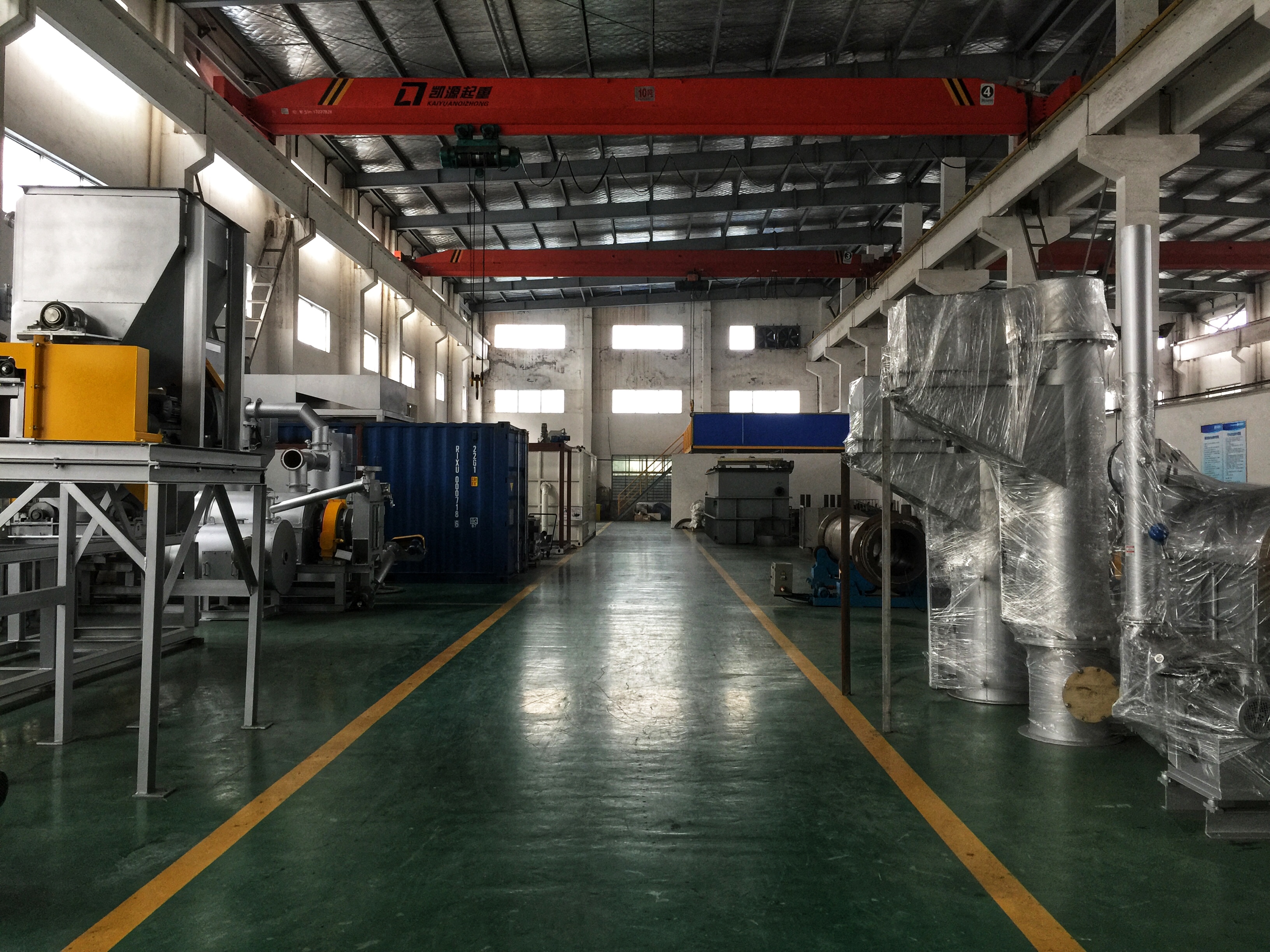
A site or video audit should confirm material handling, assembly controls, and inspection records — not just building size.
Step-by-Step Breakdown: How to Run the Evaluation
- Define the sludge basis. Record sludge type, inlet total solids, volatile solids, oil content, viscosity, polymer type, target cake dryness, and operating hours. Without this basis, capacity comparisons for a screw press dehydrator are not meaningful.
- Issue a structured RFQ. Require a scope-of-supply table that separates the press, feed pump, polymer dosing, control cabinet, cake conveyor, installation, commissioning, training, and spare parts.
- Request an evidence file. Ask for model-level specifications, material certificates, electrical component lists, warranty terms, spare-parts list, and reference projects with contactable operators.
- Score supply-chain transparency. Rate the supplier on critical component disclosure, single-source risk, change-notification process, and spare-parts availability. A supplier that cannot explain its own supply chain cannot support a long-term operating plan.
- Validate service commitments. Convert response time, commissioning support, training, remote support, and spare-parts lead time into contract language. Avoid vague phrases such as 'prompt service' without a defined process.
- Run a reference or pilot check. Where possible, test the sludge dewatering wastewater treatment duty with the supplier's proposed polymer and operating parameters. Define the test protocol in advance, including sampling frequency and duration.
- Use a weighted decision matrix. Score technical fit, supply-chain transparency, service commitments, compliance evidence, commercial terms, and reference relevance. Hold a final review with operations and maintenance, not only procurement.
Use Cases: Applying the Framework to Real Sludge Streams
Municipal Sludge Dewatering System Projects
Municipal projects often require continuous operation, stable cake dryness, and low noise. The buyer should verify the supplier's experience with municipal sludge, the proposed polymer dosing strategy, and the local service response. A municipal sludge dewatering system may run continuously for years, so spare-parts planning and remote support are as important as the initial price.
Industrial Sludge Dewatering Machine Applications
Industrial wastewater sludge dewatering can involve chemical, textile, paper, pharmaceutical, and agricultural sludge. The supplier should demonstrate experience with the specific sludge characteristics, including oil content, viscosity, and variability. For an industrial sludge dewatering machine, the buyer should ask how the supplier handles unstable feed, impurities, and polymer optimization. The risk-control data for this category identifies unstable sludge feed and impurities as clogging risks, with self-cleaning design and continuous washing as typical controls.
DAF Sludge Dewatering and Decentralized Plants
DAF sludge dewatering and small decentralized plants often need a compact footprint, low energy use, and simple operation. The supplier should show how the sludge dewatering unit fits the available space and how the automatic control sequence handles startup, shutdown, and alarm conditions. For decentralized plants, local service and remote support may matter more than a large manufacturing footprint.
Sewage Sludge Dewatering and Retrofit Projects
Retrofit projects add constraints: existing pipework, limited footprint, and integration with existing polymer systems. The supplier should provide a site-specific layout, an interface list, and a commissioning plan. The buyer should verify that the proposed dewatering screw press machine can be integrated without shifting unacceptable risk to the plant team.
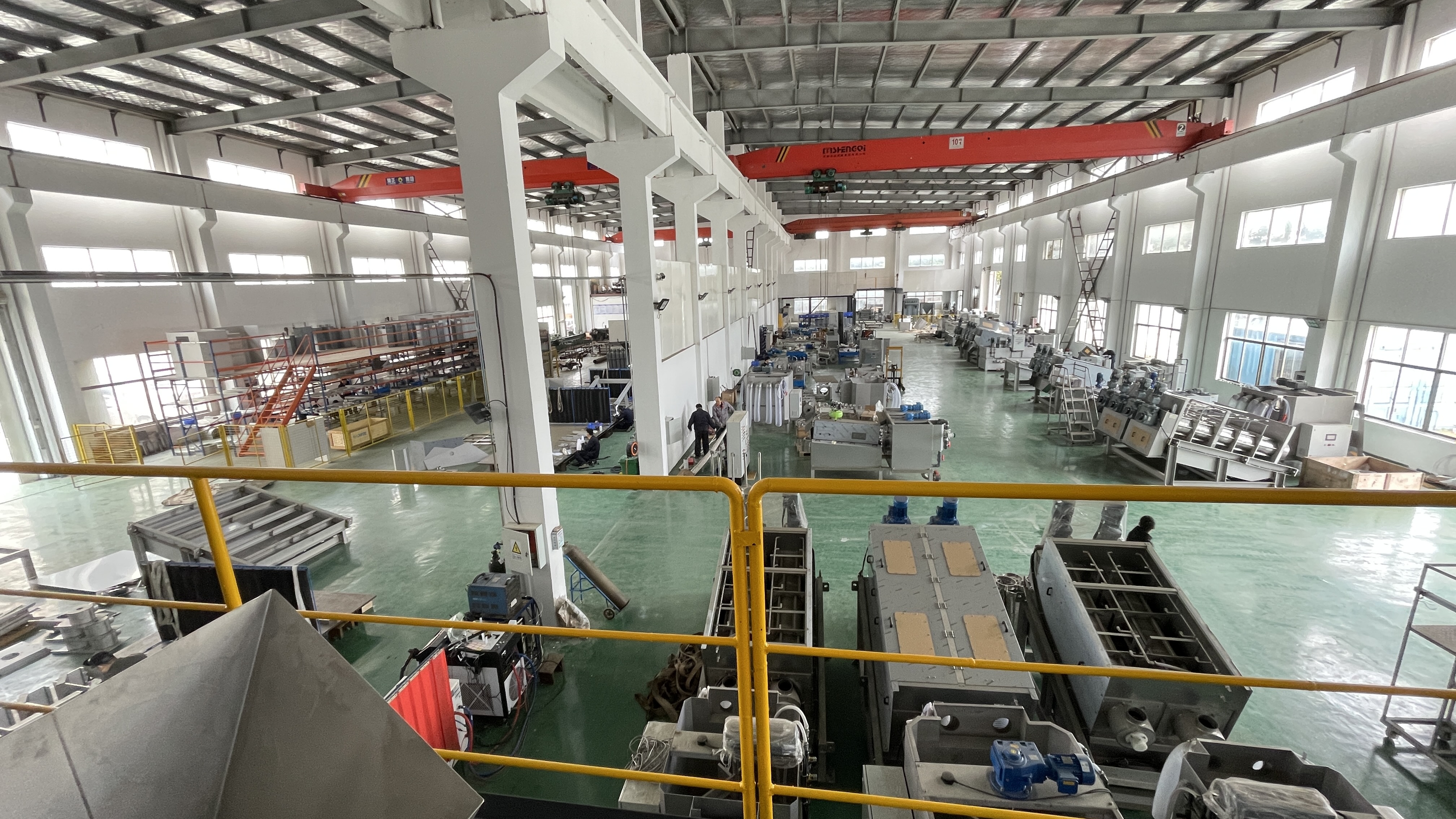
Production evidence should include inspection records, material certificates, and a clear final-test protocol.
Comparison Table: What to Require and What to Reject
| Evaluation Area | What to Require | Evidence to Accept | Red Flag |
|---|---|---|---|
| Supply-chain transparency | Critical component map, single-source disclosure, change-notification process | Component list with supplier or country of origin and lead-time assumptions | Refusal to identify critical bought-in components |
| Production capability | Model-level capacity table, material certificates, final inspection record | SS304 or SS316 certificate for wetted parts; welding and assembly inspection records | Capacity claims without sludge basis or test conditions |
| Commercial scope | Itemized quotation covering press, feed pump, polymer dosing, control cabinet, cake conveyor, commissioning, training, spare parts | Scope-of-supply table with inclusions and exclusions | Price comparison that omits auxiliaries or commissioning |
| Service commitments | Response time, remote support, spare-parts lead time, warranty start date, training plan | Written service schedule and named escalation contact | Vague promises without process or responsible person |
| Compliance | Certificate number, issuing body, scope, validity, legal holder name | Certificate copy and declaration aligned with the quoted product | Logo-only claims or expired certificates |
| Reference relevance | Three to five similar sludge references with operating data | Contactable plant operator and model-specific performance record | References from unrelated sludge or different model ranges |
The table is intentionally qualitative. It helps a buyer compare a multi plate screw press supplier, a screw sludge press supplier, or a full sludge dewatering system integrator on the same evidence basis. It does not replace a duty-point test, but it prevents a decision from being based only on brochure claims.
FAQ
What compliance documents should a screw press manufacturer provide before a purchase order?
Request the certificate number, issuing body, scope, validity date, and legal holder name for every compliance claim. For wetted parts, ask for material certificates covering SS304 or SS316 where claimed. For electrical and control equipment, ask for the declaration or conformity documents required in the destination market. A marketplace listing for a Benenv system reports SS304 material and ISO 9000 and CE certificate claims, but those claims require verification of certificate scope and validity. ISO 9000 is a quality management family, not a product certification, so it should not be treated as proof of product conformity on its own.
How can buyers verify a screw press manufacturer's capability without visiting every factory?
Use a documentary and reference-based check. Request model-level specifications, production inspection records, material certificates, and a reference list with similar sludge. Benenv reports more than 4,500 project references in more than 60 countries, 200 employees, 50 engineers, and an annual output of 500 units. Those figures are useful screening evidence, but the buyer should still confirm reference relevance by sludge type, model, and region. A video audit, third-party inspection, and operator reference calls can supplement a site visit.
What should be included in a budget comparison for screw press sludge dewatering?
Include equipment, auxiliary components, polymer consumption, power, backwash water, spare parts, service, and downtime. The reported average selling price of a sludge screw dewatering press in 2025 was USD 46,000 per unit, but that is only a market anchor. The screw press category is associated with up to 30–50% lower cost than centrifuges, up to 30–50% energy savings, footprint reduced by up to 50%, and maintenance frequency reduced by 30–60%. Benenv's listing also provides model-level installed power and backwash-water figures, such as MDS131 at 0.2 kW and 24 L/h and MDS413 at 6.0 kW and 216 L/h, which buyers can use to structure a total-cost request.
Can a sample or pilot test confirm screw press performance?
A sample alone cannot confirm continuous performance. Define a test protocol that states sludge type, inlet total solids, target outlet cake dryness, polymer dose, throughput, test duration, and sampling frequency. Public evidence in this category does not provide a common test protocol across suppliers, so a site-specific pilot or a comparable reference project is more useful than a generic sample. Benenv lists MDS101 at 3–6 kg/h dry solids and 0.12–1.5 m3/h depending on inlet concentration, but the concentration basis and test conditions require verification against the buyer's sludge.
What lead-time and post-delivery service commitments should be written into the contract?
Write a dated delivery schedule with shipping terms, a spare-parts list with prices and lead times, warranty start date, commissioning scope, operator training, response time, remote support process, and a named escalation contact. Benenv's risk-control information describes automation solutions, remote technical support, maintenance plans, spare-parts supply, and anti-corrosion solutions such as SS304/316 as enterprise measures for this equipment category. These are the types of commitments a buyer should convert into contract language rather than leaving as verbal assurances.
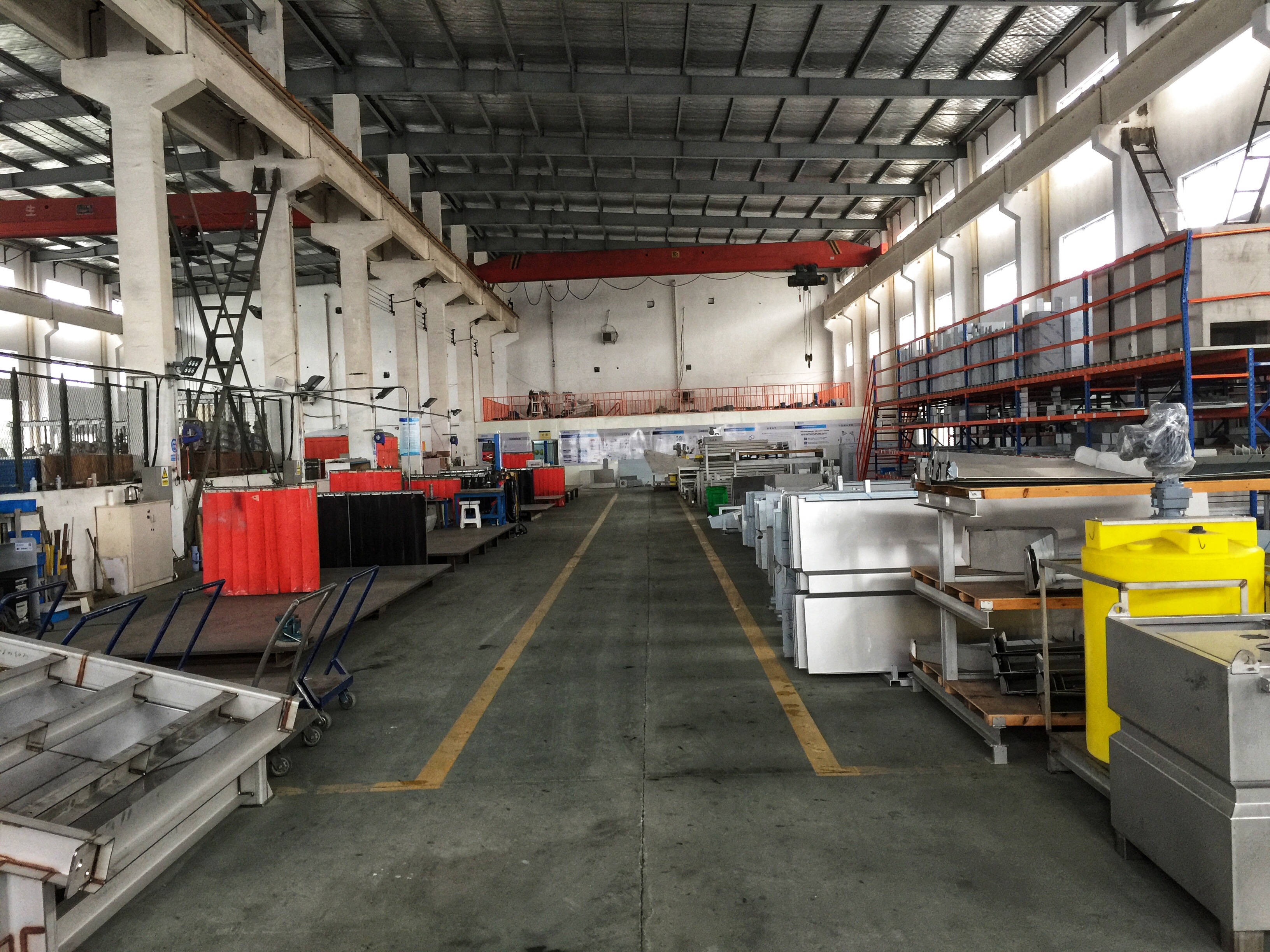
Welding and assembly controls are part of the evidence trail, but they should be tied to the exact model and material specification being quoted.
Conclusion: A Supplier Is Only as Strong as Its Written Commitments
The best screw press for sludge dewatering is not the one with the longest feature list. It is the one supplied by a manufacturer that can document its critical components, explain its quality controls, verify its compliance claims, and commit to service in writing. Supply-chain transparency reduces lead-time and change risk. Post-delivery service commitments reduce downtime and protect the plant's operating budget.
Use the framework in this guide to build a supplier scorecard before the final negotiation. Score each supplier on the same evidence categories, keep the scope of supply visible, and require references that match the sludge. That approach will not eliminate every risk, but it will separate a verifiable manufacturer from a supplier that is only good at presenting a brochure.
Next step for procurement teams: If you are preparing an RFQ for a screw press sludge dewatering system, Benenv can discuss the scope of supply, reference projects, documentation, and service commitments for your sludge stream. Visit en.benenv.com, contact manager@benenv.com, or download the company brochure here: Benenv brochure PDF.